Taking Decarbonization to the Next Level — A Data-Driven Approach
 user
user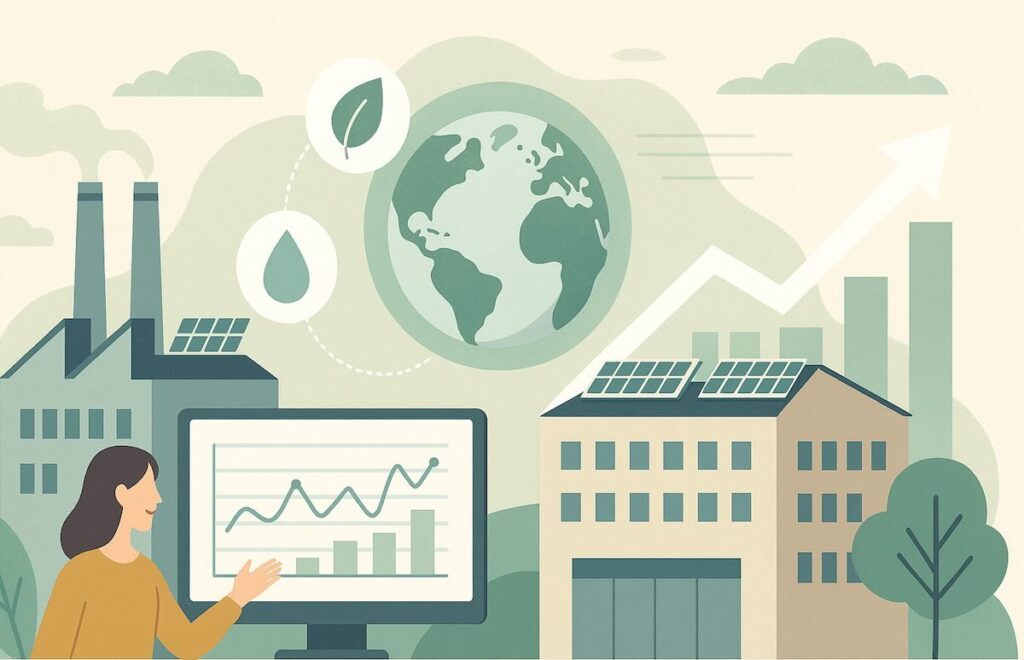
In recent years, decarbonization has become a familiar term across industries.
Many organizations have already completed the basics — switching to LED lighting, optimizing air conditioning, or introducing renewable energy sources.
Yet more companies are realizing that these initial steps are no longer enough.
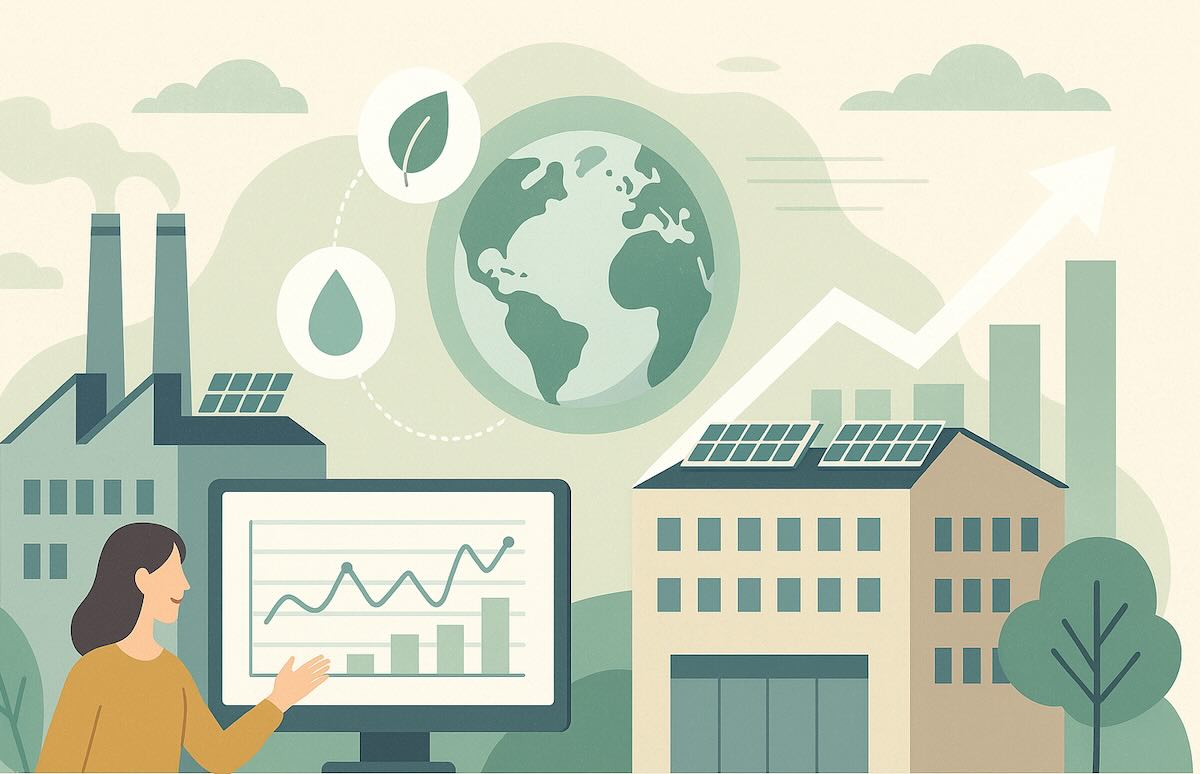
The next stage — what we might call “Decarbonization 2.0” — requires a shift from simple energy savings to data-driven, continuous improvement.
Let’s explore what this intermediate level of decarbonization looks like in practice.
🌏 From Intuition to Insight — The Data Revolution
Early sustainability efforts were largely driven by intuition: “turn off unnecessary lights” or “reduce machine idle time.”
Those steps were essential, but today’s challenge is to use data to go further.
With IoT sensors and AI analytics, companies can now monitor energy use by area, time, and process — in real time.
This allows them to identify where inefficiencies occur and prioritize which improvements will have the biggest impact.
For example, by visualizing machine-level data, a company might notice that energy spikes occur during specific shifts or when certain equipment is in standby mode.
Instead of relying on guesswork, decisions can now be made based on evidence, not experience.
That’s the defining feature of a mature, data-driven decarbonization strategy.
⚙️ Turning Energy Management into a System
At the intermediate stage, sustainability is no longer a one-time campaign — it’s a built-in system that keeps evolving.
The goal is to embed energy efficiency into daily operations so that improvements continue naturally.
To achieve that, organizations are introducing tools and workflows such as:
This marks the transition from managing energy manually to automating energy optimization.
Once data collection and feedback loops are in place, continuous improvement becomes part of the company culture.
💡 How Orange Box Supports Energy DX
At Orange Box Inc., we help companies move beyond basic energy management through IoT- and AI-powered Energy DX solutions.
Our platform visualizes electricity and equipment performance in real time, automatically identifies inefficiencies, and provides actionable insights.
By analyzing patterns and anomalies, our system enables managers to make smarter, faster decisions — for example,
determining which production line to slow down, when to shift operations to avoid peak demand, or how to minimize idle power.
This isn’t just about saving energy; it’s about empowering organizations to achieve operational excellence through data.
👉 Orange Box: Smart Factory Solution
🌱 Expanding the View — The Supply Chain Factor
For companies ready to advance further, decarbonization now extends beyond their own facilities.
A growing global trend is to manage and reduce CO₂ emissions across the entire supply chain — from raw material sourcing to logistics and product use.
Known as Scope 3 emissions, this broader approach requires collaboration between suppliers, partners, and customers.
Sharing data, setting common targets, and co-developing reduction strategies are key to achieving results that no company can reach alone.
It’s no longer just about competition — it’s about co-creation for a sustainable future.
🌏 From “Visualization” to “Action”
Becoming an intermediate-level decarbonization leader isn’t about mastering technology — it’s about building systems that keep improving over time.
When data becomes visible, behavior changes.
When insights lead to action, sustainability becomes sustainable.
The journey doesn’t end with visualization; it continues with automation, collaboration, and commitment.
Every step forward — no matter how small — moves us closer to a world where growth and responsibility coexist.

Japan’s Path Toward Decarbonization
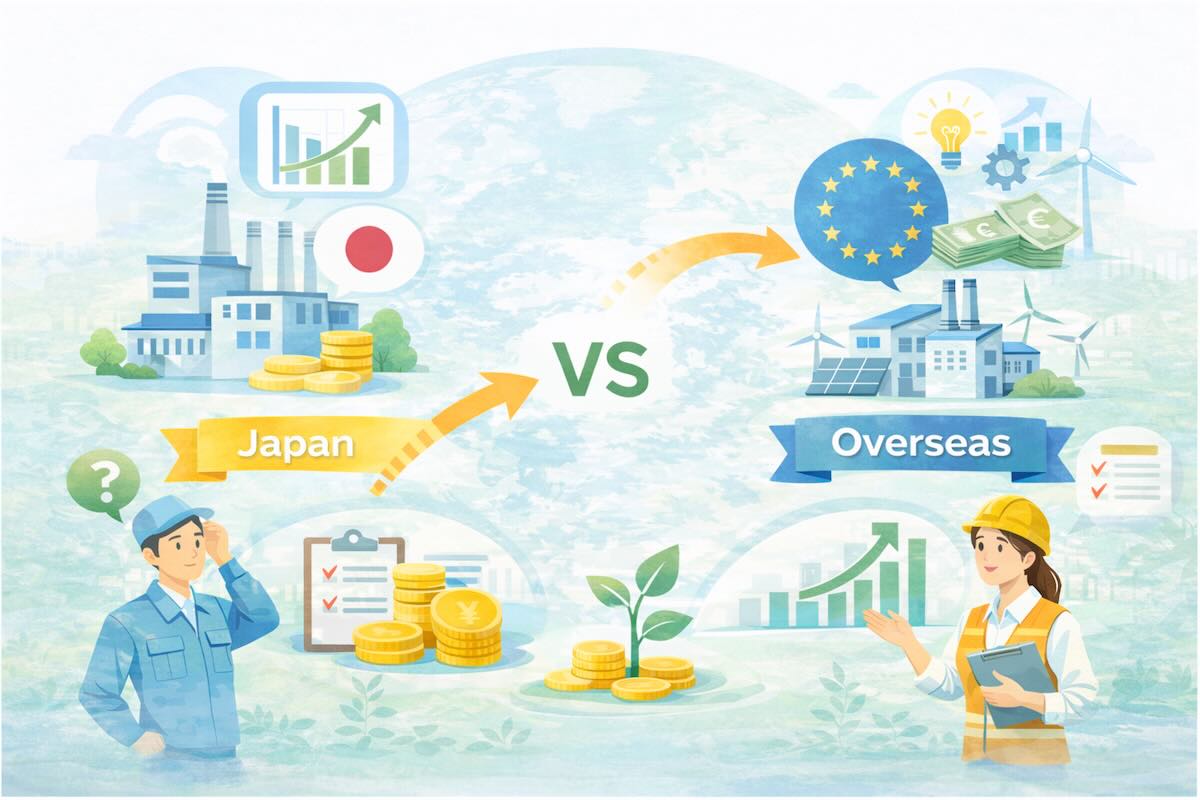
Episode 3: Why Energy Efficiency Advances Faster Overseas - Cultural and Regulatory Perspectives

Episode 1: Building Data-Driven Teams for the Energy DX Era
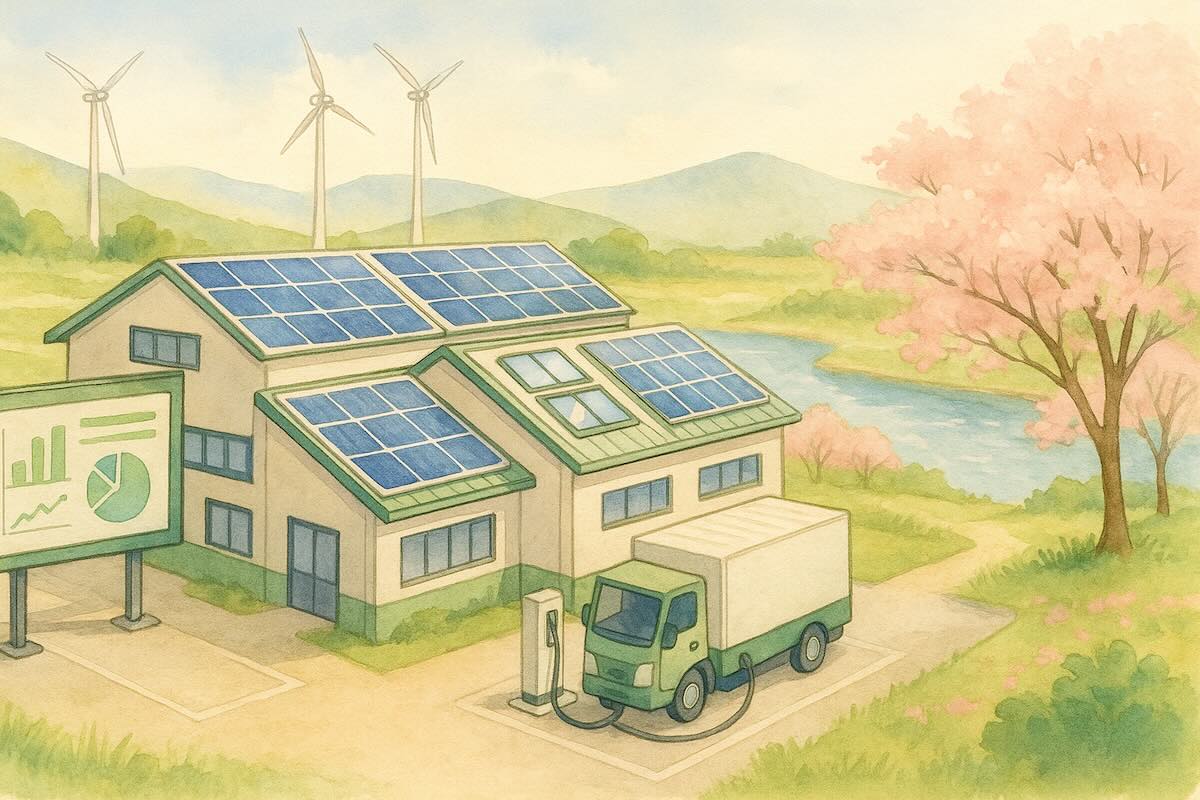
Smart Transformation for Small and Medium-Sized Factories — How Small Steps Can Shape the Future
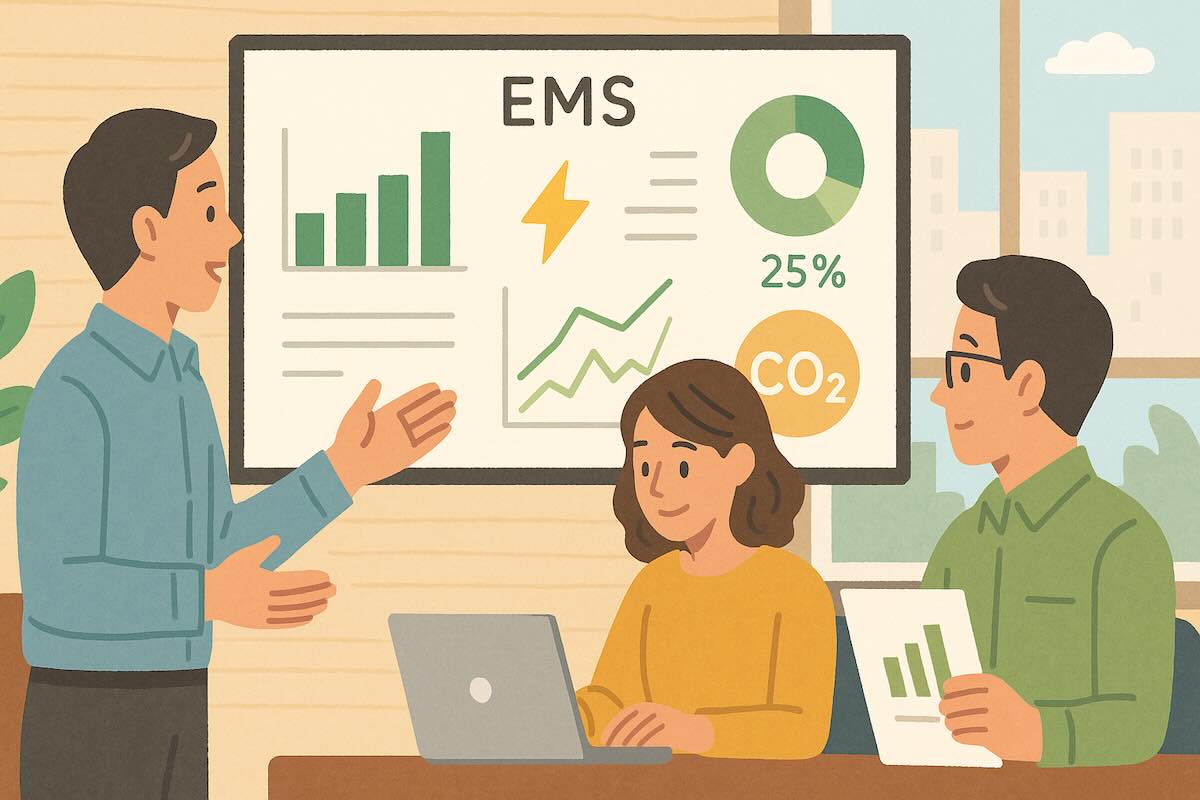
Making CO₂ Reduction Visible — How EMS Turns Energy Saving into Measurable Results