Episode 1: Building Data-Driven Teams for the Energy DX Era
 user
user
Data-Driven Decarbonization Management
— A Four-Part Series Exploring the Factory Floor, Management Decisions, Global Trends, and Practical Actions
As decarbonization and energy efficiency become urgent priorities for manufacturers,
the scope of challenges companies face continues to expand—from factory operations to executive decision-making, and even global comparisons.
This four-part series looks at decarbonization not merely as a cost-reduction effort,
but as a driver of long-term business value.
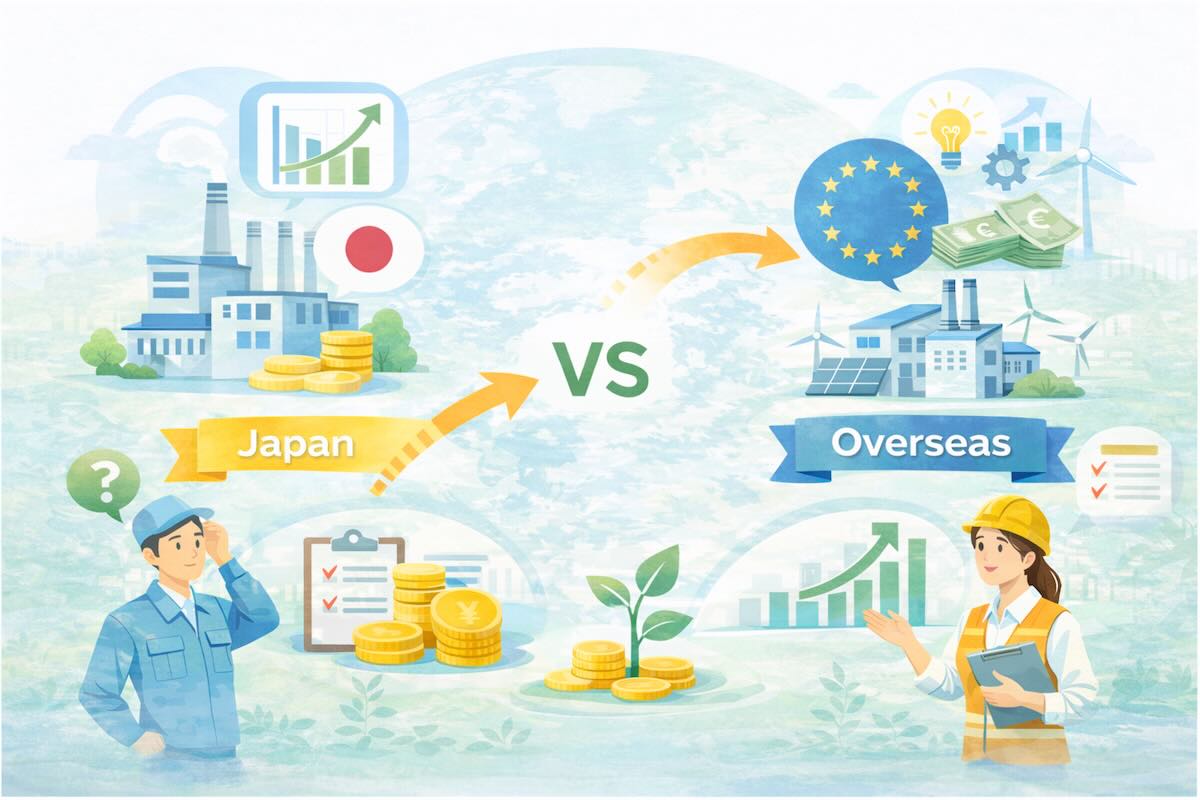
Series Overview
We begin with the foundation of it all: creating data-driven teams on the factory floor.
🏭 Decarbonization Starts on the Factory Floor
Discussions about decarbonization often focus on national policies or corporate strategies.
Yet in reality, meaningful progress begins on the factory floor.
Operators, supervisors, and engineers make countless daily decisions:
Without data, these decisions rely on experience alone.
With data, they become opportunities for continuous improvement.
📊 Why Data Literacy Matters More Than Ever
Modern factories generate vast amounts of operational and energy data.
The real challenge is no longer collecting data—but using it effectively.
Data literacy does not mean turning everyone into a data scientist.
It means:
When teams share this basic data understanding, energy-saving initiatives stop being one-time efforts and become part of everyday operations.
🔁 From Management Tools to a Shared Languag
Many Energy DX initiatives fail because data stays locked inside management dashboards.
Successful factories treat data as a shared language:
This alignment connects decarbonization goals with real-world behavior on the shop floor.
🧠 Developing People Through Small, Continuous Steps
Human resource development does not require major organizational change.
Effective approaches often start small:
These small habits gradually build confidence, ownership, and engagement.
🧩 How Orange Box Supports Data-Driven Manufacturing
At Orange Box, we believe Energy DX succeeds only when data is accessible and actionable for everyone involved.
Our solutions focus on:
By making data easy to understand and use, we help manufacturers move toward sustainable, resilient operations.
👉 Learn more about Orange Box: Smart Factory Solution
🌱 People Are the True Foundation of Energy DX
Decarbonization is often framed as a technical or regulatory challenge.
In reality, it is also a learning journey.
Factories that invest in people—helping them understand and trust data—are better prepared to:
Technology enables change, but people make it last.
📢 Next Episode
Episode 2: Decarbonization Costs and ROI
— Making Informed Management Decisions
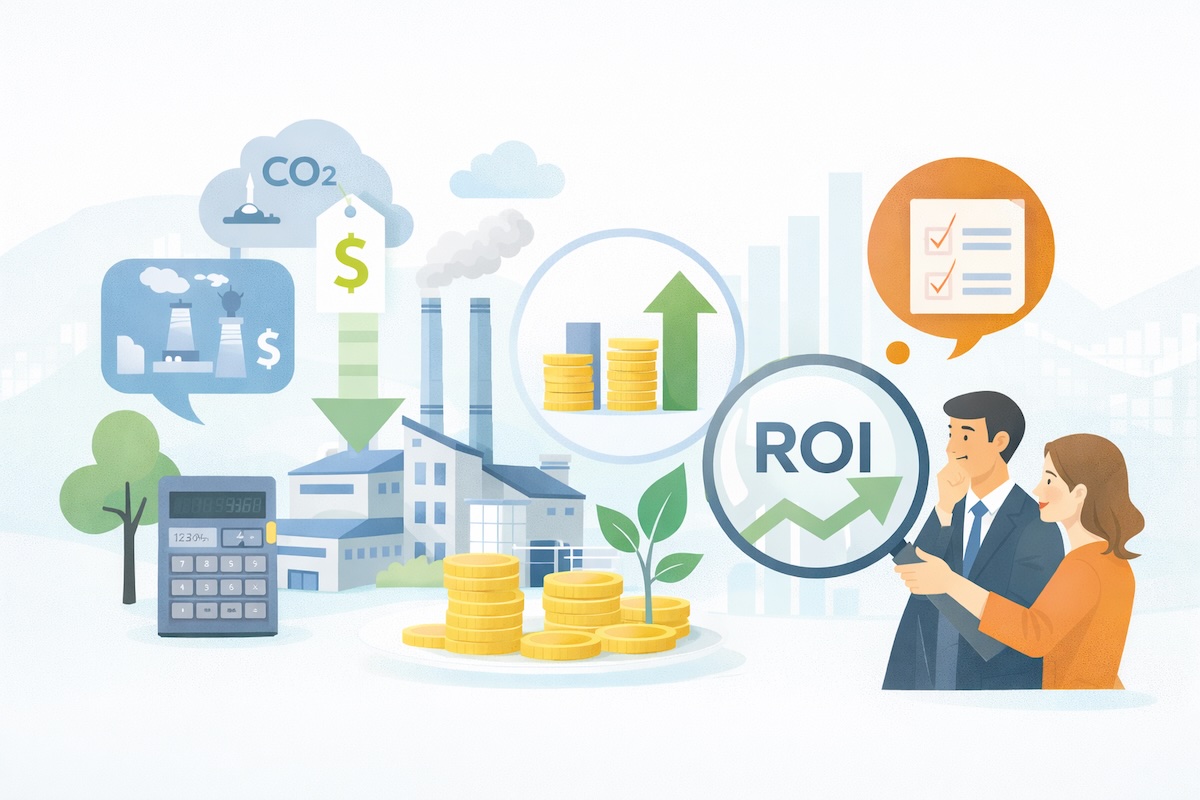
Episode 2: Decarbonization Costs and ROI - Making Informed Management Decisions

Episode 4: How Manufacturers Can Respond to Rising Electricity Costs — Practical Energy Strategies in an Era of Price Volatility
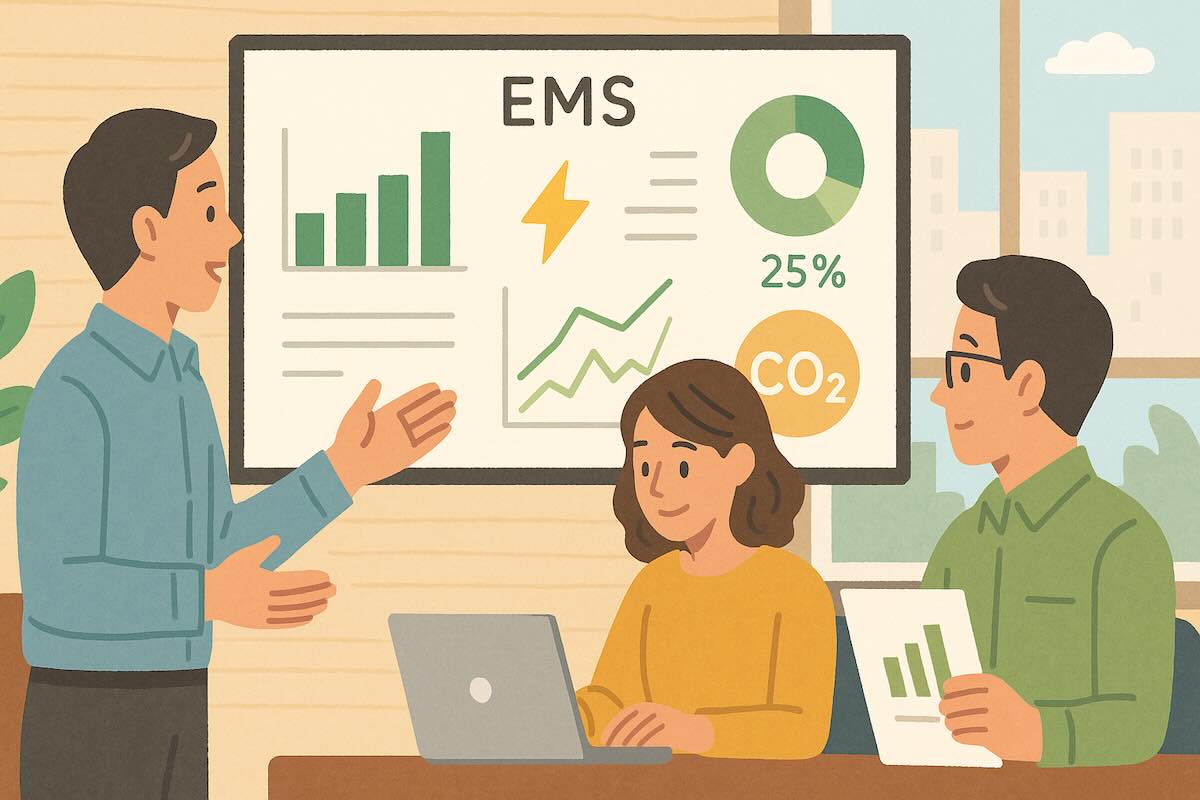
Making CO₂ Reduction Visible — How EMS Turns Energy Saving into Measurable Results

Humans and AI: The Future of Smart Factories
Smart Transformation for Small and Medium-Sized Factories — How Small Steps Can Shape the Future