
Episode 4: How Manufacturers Can Respond to Rising Electricity Costs — Practical Energy Strategies in an Era of Price Volatility
 user
user
Throughout this series, we have explored people, investment decisions, and global perspectives on energy efficiency.
Now we turn to a challenge that many manufacturers are facing right now:
How can factories prepare for rising electricity costs and ongoing energy price volatility?
Energy prices are no longer stable.
They fluctuate due to global fuel markets, geopolitical risks, regulatory shifts, and supply-demand imbalances. For manufacturers, electricity costs have become not just an operational issue—but a strategic risk.
In this final episode, we focus on practical, data-driven approaches that help factories build resilience.
⚡ Electricity Costs Are No Longer Predictable
For many years, energy expenses were considered relatively stable and manageable. That assumption no longer holds.
Manufacturers now face:
When electricity costs spike, margins shrink immediately. Waiting to react is no longer a viable strategy.
Preparation must come before the next shock.
📊 Visibility Is the First Line of Defense
The most effective way to respond to volatility is simple in principle:
Make energy usage visible.
When factories clearly understand:
they gain the ability to act proactively.
Energy visibility allows managers to:
Without visibility, decisions remain reactive.
🛠️ Practical Measures That Deliver Stability
Responding to rising electricity costs does not always require large-scale investment. In many cases, practical steps provide significant impact:
When combined with real-time data, these actions compound over time.
The goal is not perfection—but continuous optimization.
🔄 From Cost Reduction to Risk Management
Traditionally, energy-saving initiatives focused on reducing expenses.
Today, the conversation must expand.
Energy management is also about:
Factories that understand their energy profile in detail are better prepared to absorb price fluctuations without sudden disruption.
🏭 How Orange Box Supports Energy Resilience
At Orange Box, we help manufacturers strengthen resilience through practical Energy DX solutions.
Our approach includes:
By turning energy usage into actionable insight,
we help factories shift from reactive response to strategic preparation.
👉 Learn more about Orange Box: Smart Factory Solution
🌱 Energy Volatility as an Opportunity
Rising electricity costs are undeniably challenging.
Yet they also create momentum for transformation.
When companies invest in visibility, data literacy, and structured energy management, they build capabilities that extend beyond cost reduction.
They strengthen:
Energy volatility becomes not just a threat—but a catalyst.
🌍 Series Conclusion: Data-Driven Decarbonization as a Management Strategy
Across these four episodes, we have examined decarbonization from multiple perspectives:
A common thread connects them all:
Data transforms uncertainty into clarity.
Decarbonization is not merely a compliance task or a cost-control effort.
It is a management strategy that integrates people, investment, global awareness, and practical action.
Factories that embrace data-driven Energy DX do more than reduce CO₂ emissions.
They improve resilience, strengthen decision-making, and enhance long-term value.
In a world of uncertainty, clarity becomes a competitive advantage.
And that clarity begins with making energy visible.
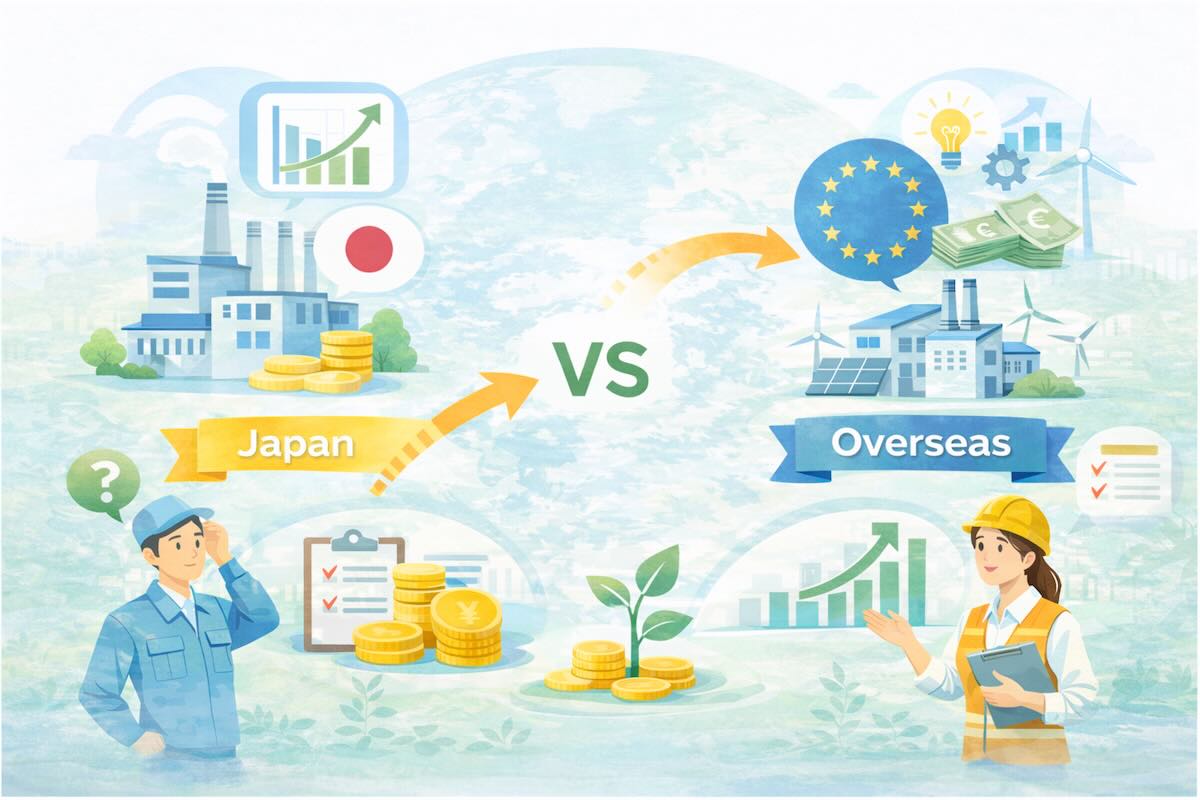
Episode 3: Why Energy Efficiency Advances Faster Overseas - Cultural and Regulatory Perspectives

Humans and AI: The Future of Smart Factories

Making CO₂ Reduction Visible — How EMS Turns Energy Saving into Measurable Results

Episode 1: Building Data-Driven Teams for the Energy DX Era
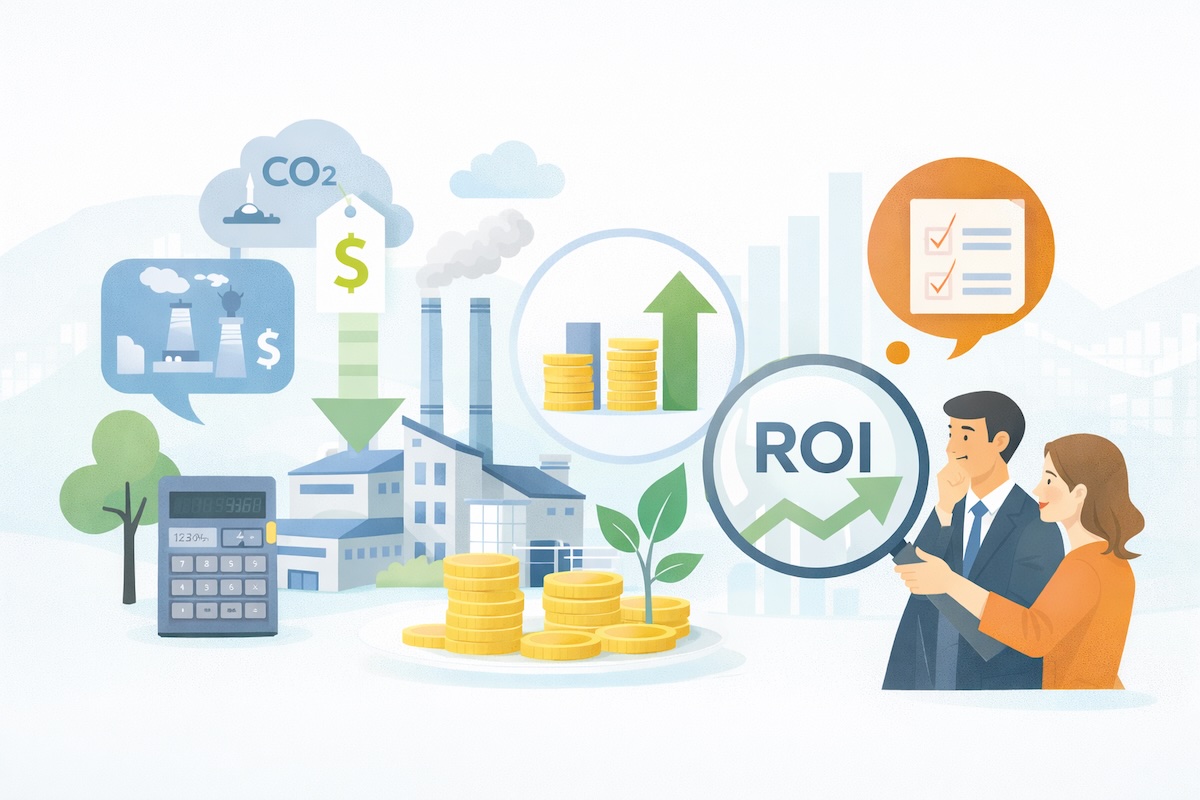
Episode 2: Decarbonization Costs and ROI - Making Informed Management Decisions